
In an era of disposable decor, Scandinavian vintage stands apart. We explore the rise of “Warm Minimalism,” why 1960s teak is the ultimate sustainable choice, and how to mix mid-century silhouettes into a 2026 home without losing the soul of the space.
Some furniture belongs to a particular decade. Scandinavian furniture seems to belong to every decade.
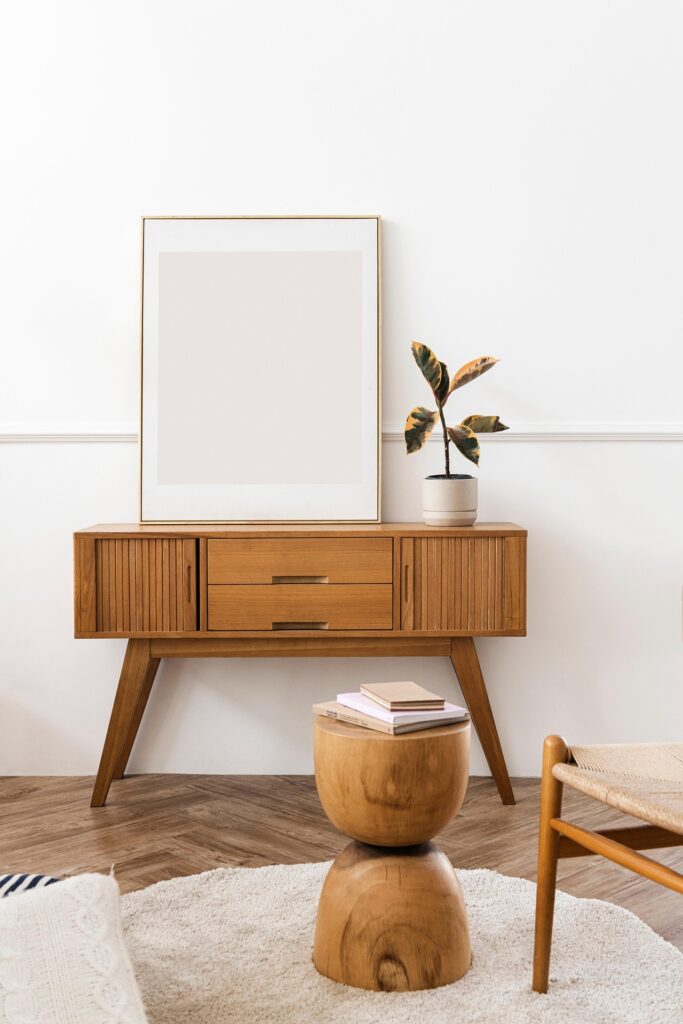
Pieces designed in Sweden, Denmark, and Finland during the mid-20th century continue to feel remarkably current today. Walk into a contemporary home in 2026 and you may find a teak sideboard from the 1960s sitting comfortably beside modern lighting and minimalist décor.

This enduring appeal is no accident. Scandinavian furniture was never created to follow trends. It was designed around principles that remain relevant today: simplicity, craftsmanship, and thoughtful living.
A Design Philosophy Built to Last
Scandinavian designers approached furniture with a clear goal: create objects that improve daily life.
Rather than focusing on ornament or status, they concentrated on proportion, comfort, and usability. A chair needed to feel balanced and inviting. A table should serve the household for decades. Storage pieces were designed to make small homes feel calm and organized.


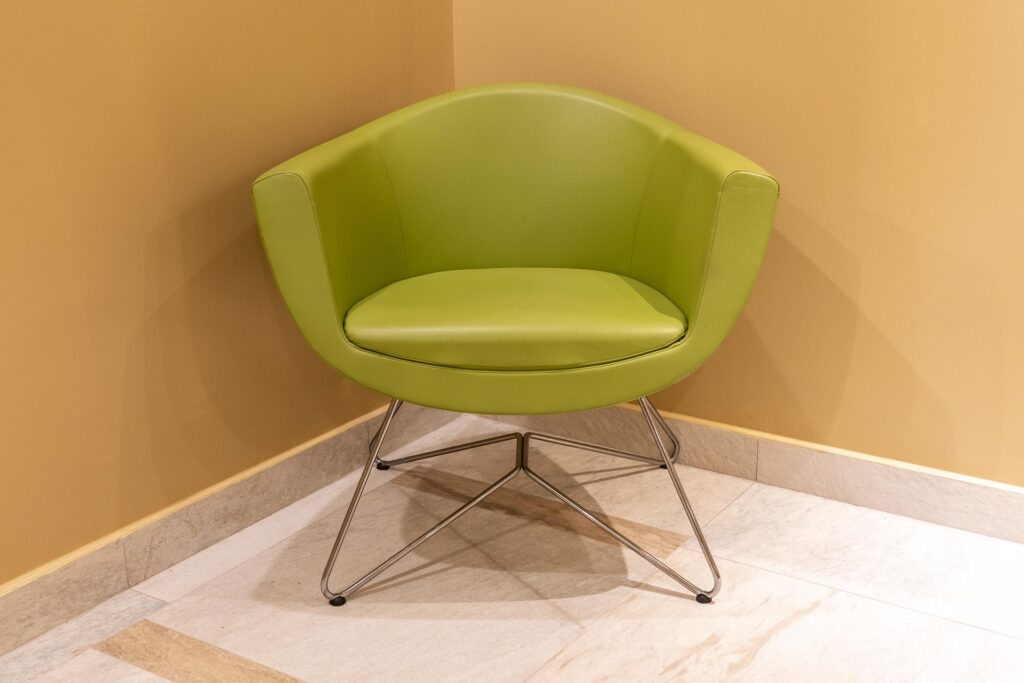
Because the design philosophy centred on function and clarity, the resulting furniture avoided the decorative excess that often dates other styles.
That is why a chair made seventy years ago can still feel completely at home in a modern interior.
Simplicity That Enhances a Space
Modern interiors today often favour open rooms, natural light, and uncluttered design. Scandinavian furniture fits beautifully into this environment because it was created with the same sensibilities.
Clean lines, balanced proportions, and restrained detailing allow these pieces to sit comfortably within a room rather than dominate it.
A vintage teak table, for example, offers warmth and presence without overwhelming the space. A simple wooden chair adds sculptural form while still feeling light and functional.
This quiet confidence is one of the reasons Scandinavian furniture continues to resonate with designers and homeowners today.


The Warmth of Natural Materials
Another reason these pieces remain so relevant is their use of natural materials.
Scandinavian makers relied heavily on woods such as:
• Teak
• Oak
• Pine
• Birch
• Rosewood
Instead of hiding the material beneath heavy finishes, the beauty of the wood itself became part of the design. Grain patterns, subtle colour variations, and smooth hand-finished surfaces give the furniture a warmth that modern mass-produced pieces often lack.
In contemporary interiors where people increasingly seek authenticity and natural materials, this quality feels more desirable than ever.
The Mid-Century Influence
Many of the most beloved Scandinavian furniture designs emerged between the 1940s and the 1970s, a period now widely associated with mid-century modern design.
During these decades, designers experimented with lighter forms, refined joinery, and sculptural shapes that felt both modern and timeless. Furniture became more adaptable, designed to work in smaller homes and flexible living spaces.
What makes these pieces so enduring is their balance between innovation and restraint. They are distinctive without being decorative, modern without feeling cold.


Why Scandinavian Furniture Works So Well Today
In many ways, the interiors of 2026 reflect the same values that shaped Scandinavian design decades ago.
People increasingly seek homes that feel calm, functional, and connected to natural materials. They value quality craftsmanship and objects that age gracefully over time.
Scandinavian furniture fits naturally into this way of living. A single well-made vintage chair or table can bring warmth, history, and character to a modern space while still feeling completely relevant.
It is furniture designed not only for a moment in time, but for everyday life across generations.
Discovering Scandinavian Furniture Today
Across Sweden and the wider Nordic region, these pieces continue to surface in auctions, estate sales, and small antique shops.
Some are well-known designer pieces, while others are humble everyday objects crafted with the same attention to proportion and materials.
What they share is a design philosophy that still speaks clearly today.
Quiet, functional, and beautifully made, Scandinavian furniture remains as at home in the interiors of 2026 as it was when it first appeared.
Explore Scandinavian Furniture
Many of the pieces in our collection were discovered while travelling across Sweden and the Nordic region, each chosen for its craftsmanship, character, and timeless design.
If this style speaks to you, you can explore our current selection of Scandinavian furniture here:
→ View Scandinavian Furniture in the Shop
Image credits:
Kari Shea, StockSnap, RaniRamli, Alexa, javier silva, Sarah Dorweiler, Classy Furniture, Mariakray, Mollyroselee from Pixabay