
Sweden is known around the world for its forests, lakes, design heritage, and deep cultural traditions. Among the most recognisable symbols of Swedish craftsmanship is the Dala Horse, or Dala Häst, a beautifully carved wooden horse that has become an international emblem of Swedish folk art.
Brightly painted and instantly recognisable, the Dala Horse represents far more than a decorative object. It tells a story of rural life, traditional craftsmanship, and centuries of Swedish culture passed down through generations.

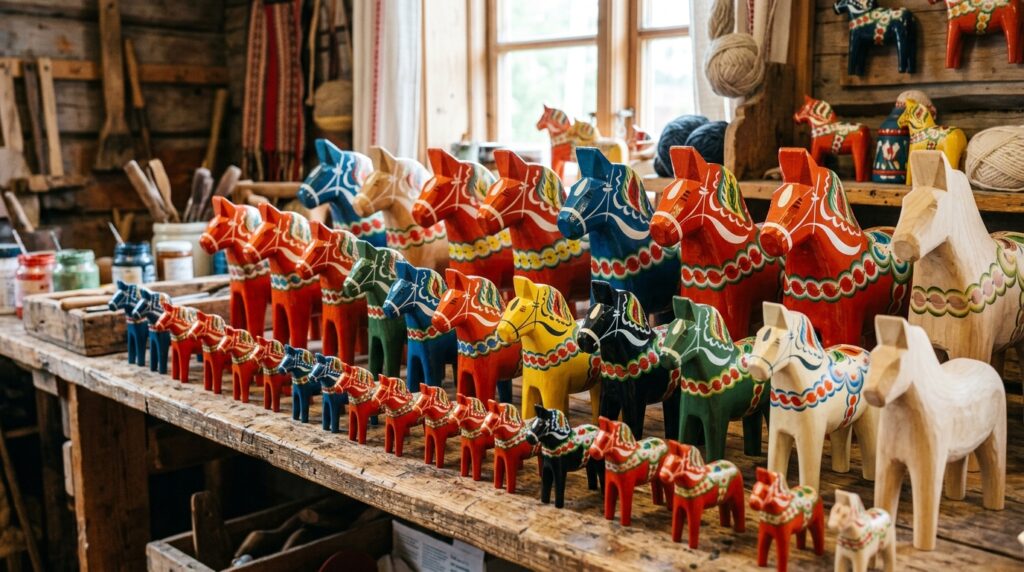
Today the Dala Horse remains one of the most beloved cultural symbols of Sweden, admired both as a traditional handicraft and as a timeless piece of Scandinavian design.
What Is a Dala Horse?
The Dala Horse (Dala Häst) is a hand-carved wooden horse traditionally made in the Swedish region of Dalarna, located in central Sweden.
These small wooden horses are typically carved from pine and painted in vibrant colours, most famously the deep Falun red. They are decorated with intricate floral patterns known as Kurbits painting, a distinctive style of Swedish folk art.
Originally created as simple toys for children, the Dala Horse gradually evolved into one of Sweden’s most recognised cultural icons.

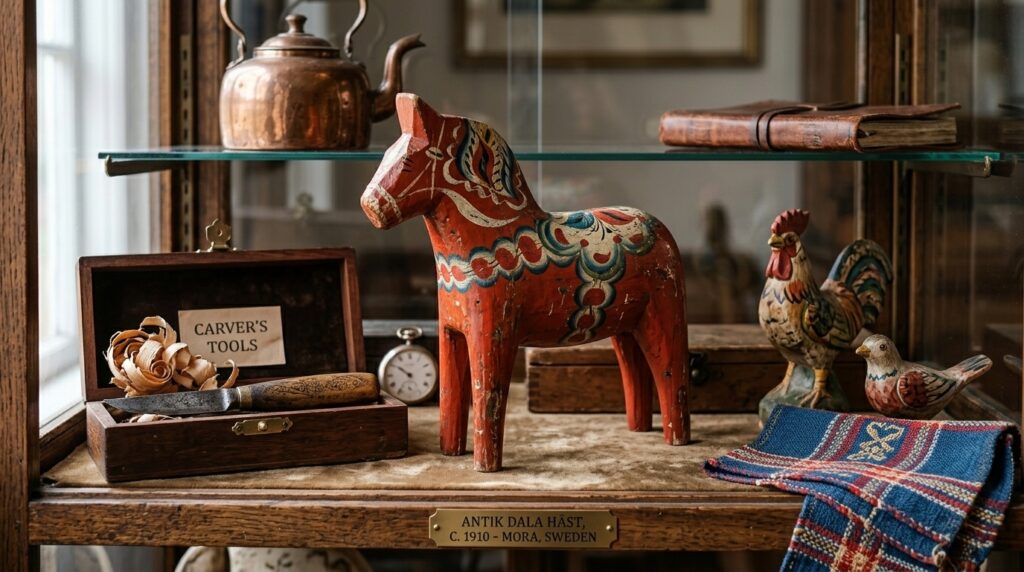
Today the Dala Horse is often associated with:
• Swedish folk art
• Traditional Scandinavian craftsmanship
• Rural Swedish heritage
• Handmade wooden toys and decorations
For many people around the world, the Dala Horse has become an instantly recognisable symbol of Sweden itself.
The Origins of the Swedish Dala Horse
The history of the Dala Horse stretches back several centuries and is closely connected to the traditions of the Dalarna region.
During the long winters of the 17th and 18th centuries, Swedish woodworkers often carved small figures from leftover pieces of wood. These carvings helped pass the time during the dark winter months and were sometimes given to children as handmade toys.

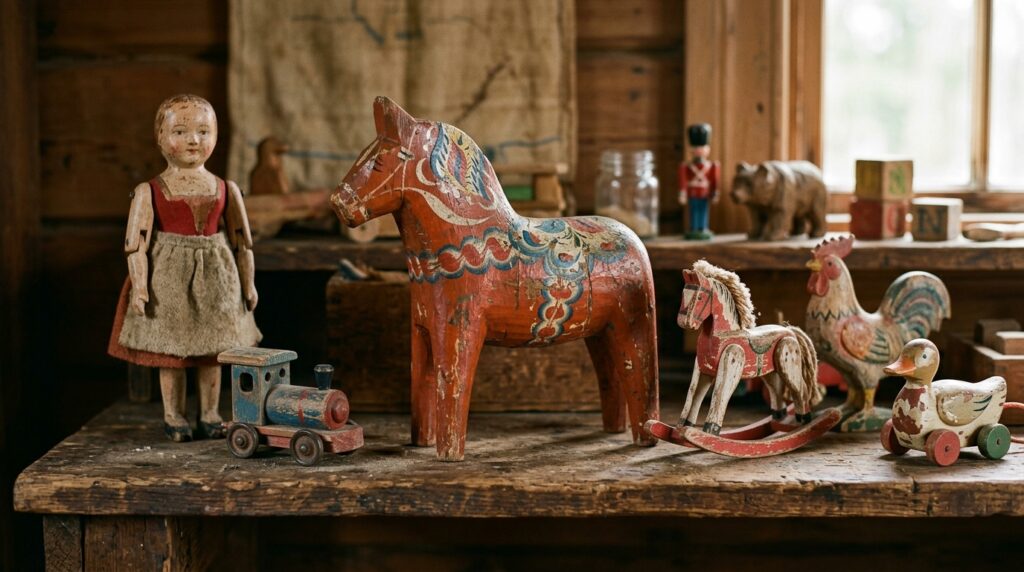
Among these small carved animals, the horse quickly became the most popular.
At the time, horses were essential to everyday life in rural Sweden. They helped farmers plough fields, transport timber, and travel between villages. Because of this important role, the horse naturally became a symbol of strength, reliability, and prosperity.
Over time, these simple wooden toys became more refined. Local artists began decorating the horses with colourful folk patterns inspired by traditional Swedish painting styles.
By the 19th century, the Dala Horse had developed into the distinctive decorative object we recognise today, combining traditional wood carving with vibrant Swedish folk art.
Traditional Craftsmanship and Hand Painting
Although the Dala Horse appears simple, creating one requires significant skill and patience.
Traditional Dala Horses are made through a multi-step process carried out by skilled artisans.

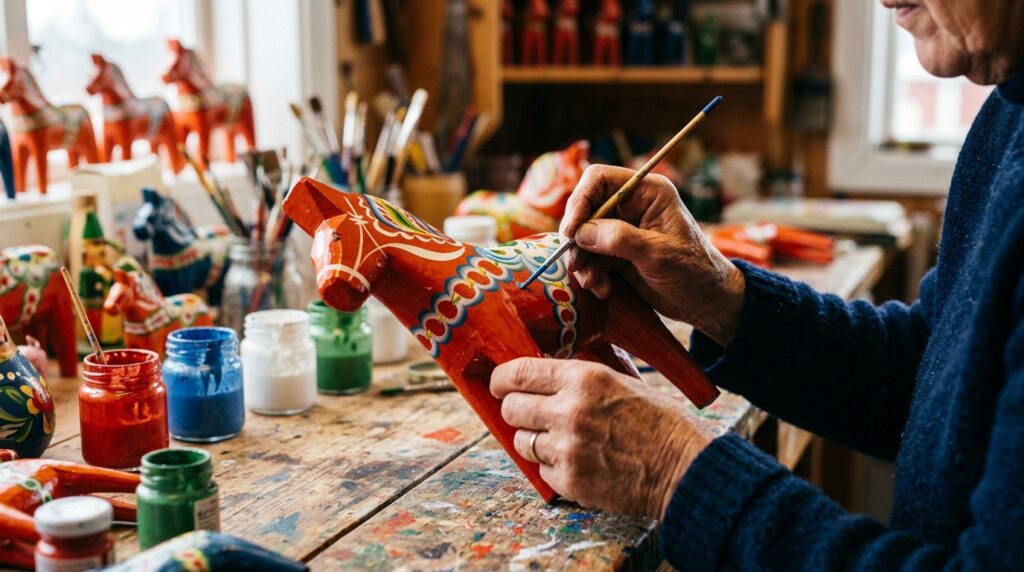

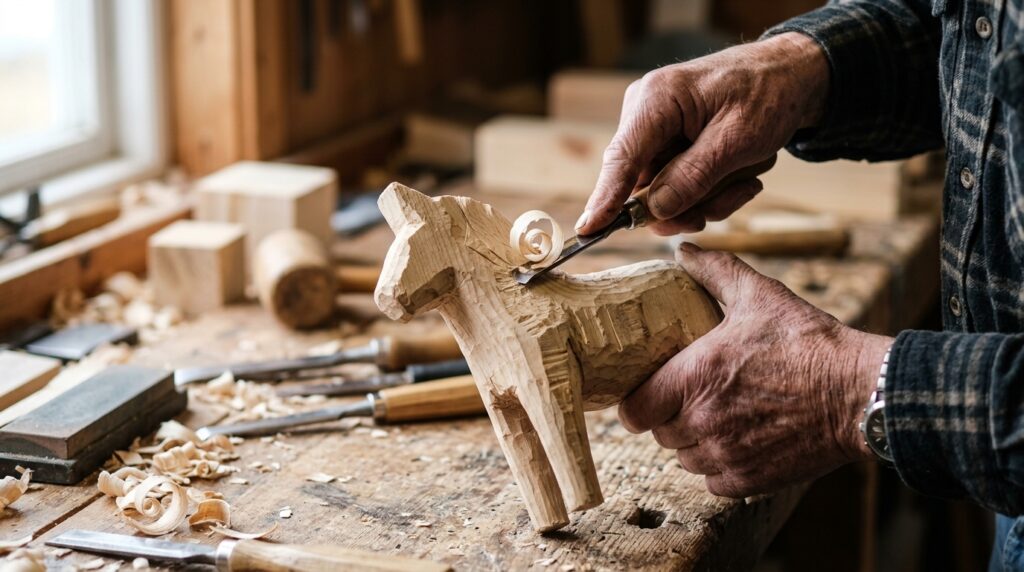
The typical process includes:
• Hand carving the horse shape from pine wood
• Smoothing and shaping the surface
• Dipping the horse in base colour paint
• Hand-painting decorative Kurbits patterns
Each horse is painted individually, meaning every piece has small variations that make it unique.


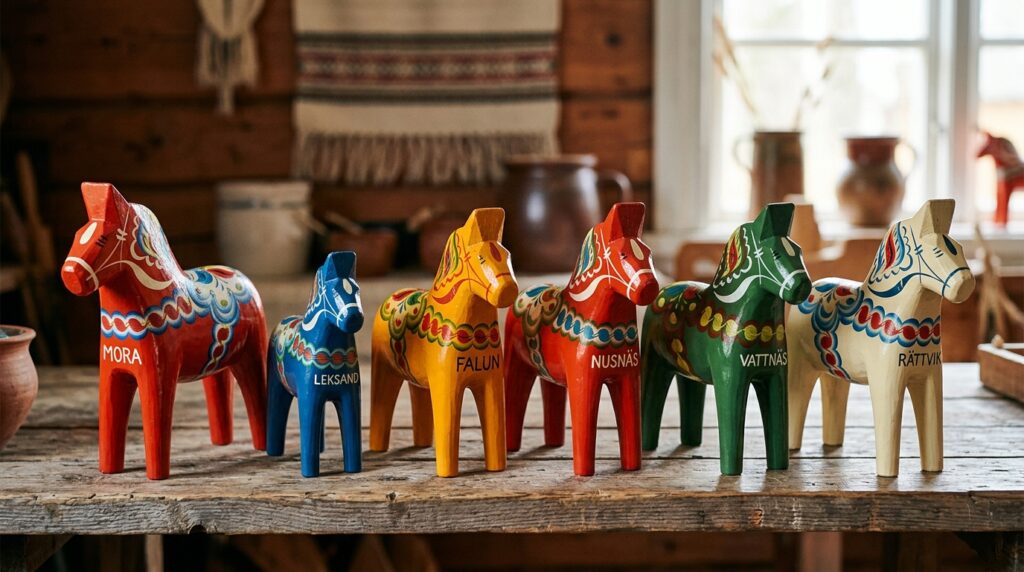
The traditional colour scheme includes:
• deep red base colour
• white, green, yellow, and blue decorative patterns
However, modern versions can also be found in many other colours.
Despite these variations, the classic red Dala Horse with floral decoration remains the most iconic design.
Why the Dala Horse Became a Symbol of Sweden
Over time, the Dala Horse grew from a regional craft into a national symbol of Sweden.

Today it represents several key elements of Swedish culture:
Swedish Craftsmanship
The Dala Horse celebrates Sweden’s long tradition of handmade craft and artisan skill, particularly in rural communities.
Swedish Folk Art
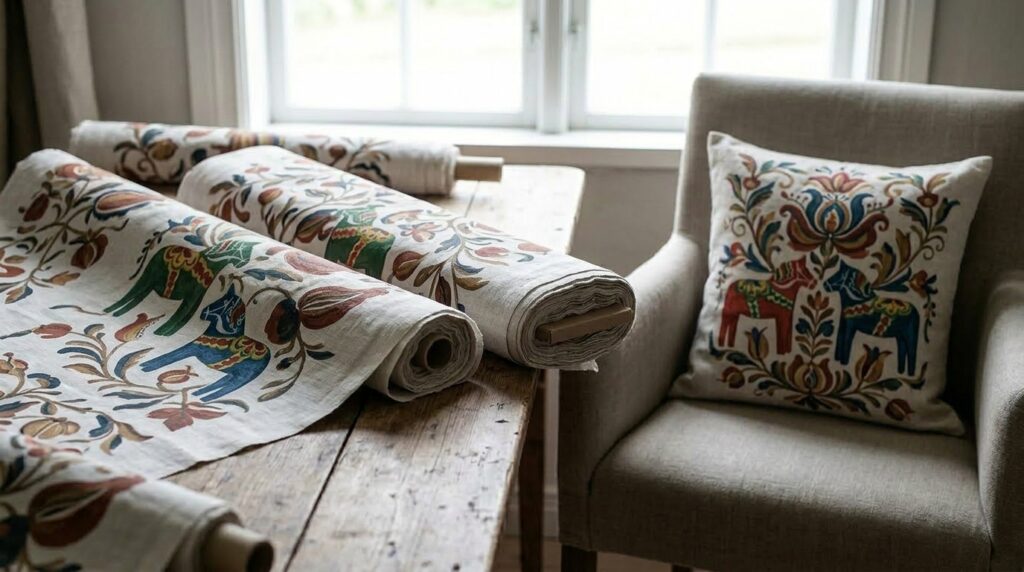
The painted patterns used on Dala Horses reflect the decorative traditions of Kurbits folk painting, a style deeply connected to Swedish cultural identity.

Swedish Heritage
Because of its historical connection to rural life, the horse represents the hard work and resilience of Swedish farming communities.
As a result, the Dala Horse is often given as a gift symbolising:
• good fortune
• happiness
• prosperity
Visitors to Sweden frequently take one home as a reminder of the country’s cultural heritage.
The Dala Horse in Dalarna Today
The tradition of carving Dala Horses continues today in Nusnäs, a small village in Dalarna that has become famous for producing these wooden horses.

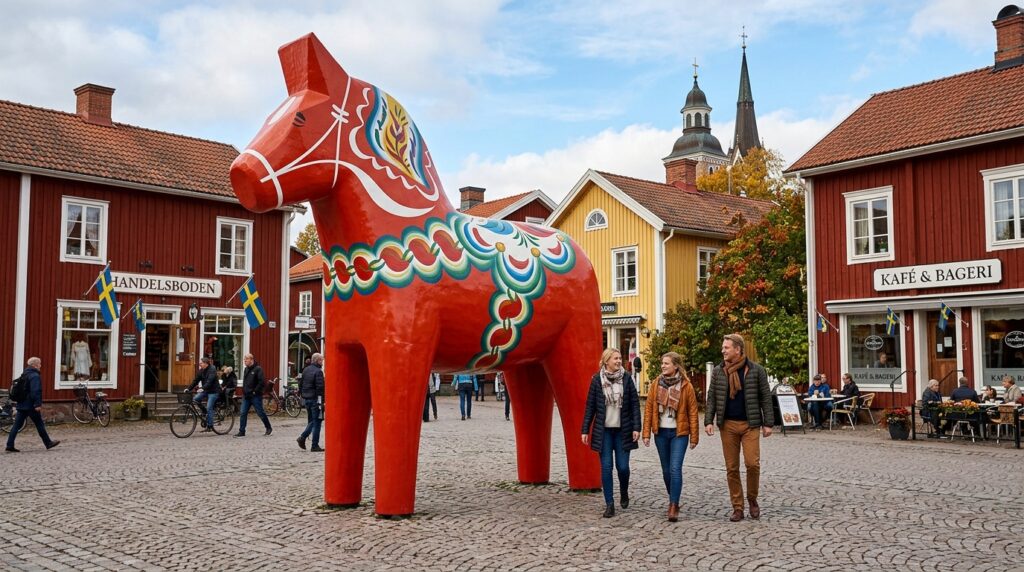
Workshops such as Nils Olsson Hemslöjd still create authentic Dala Horses using traditional methods. Visitors can watch artisans carving and painting the horses by hand, preserving a craft that has been practiced for generations.
While modern production methods have evolved, many artisans continue to honour the original techniques that give each Dala Horse its distinctive character.
A Timeless Piece of Scandinavian Folk Art
In a world filled with mass-produced objects, the Dala Horse remains something special.
It represents:
• centuries of Swedish tradition
• the beauty of handmade craftsmanship
• the cultural identity of rural Sweden

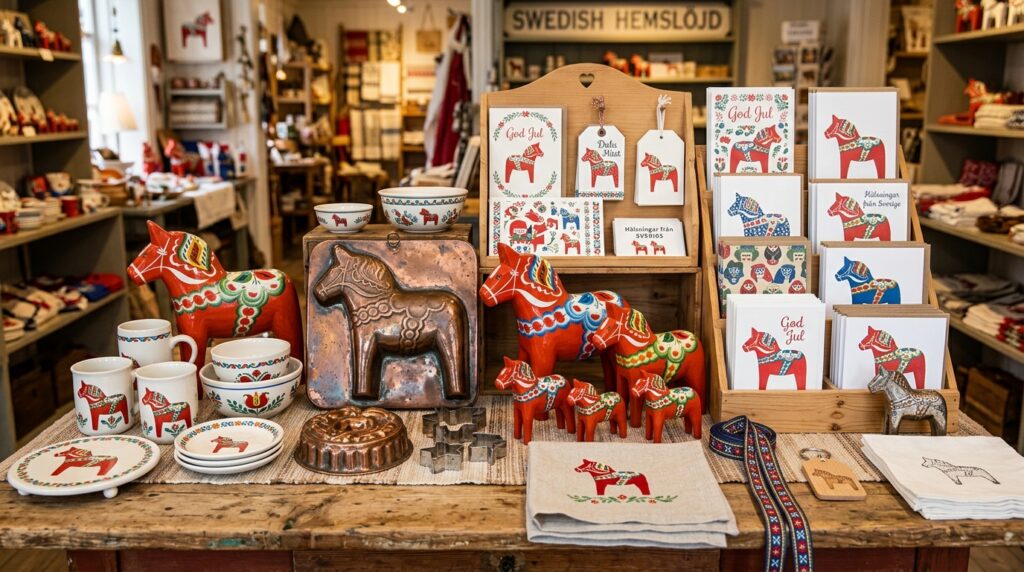

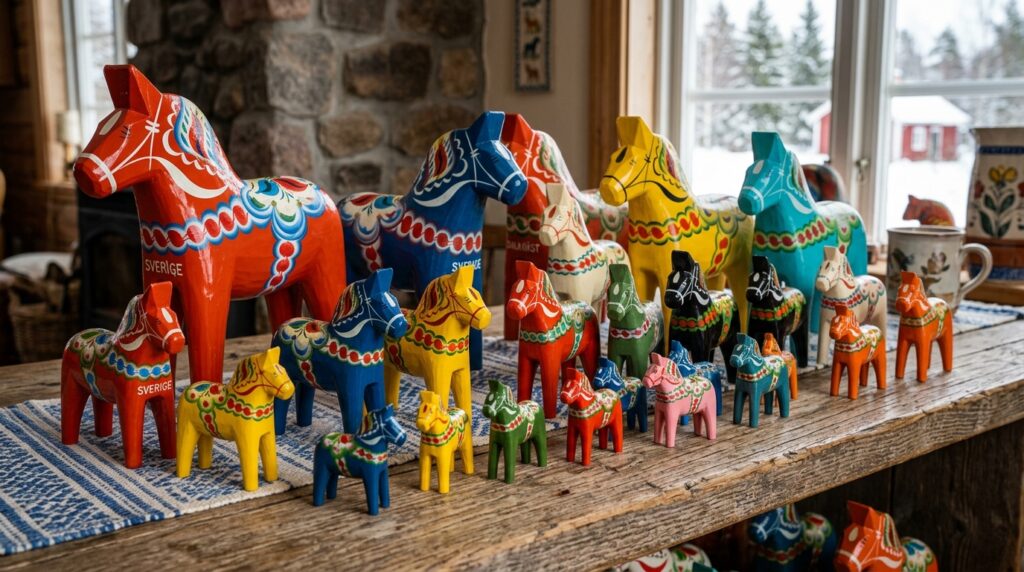
Whether displayed as a decorative object, collected as folk art, or given as a meaningful gift, the Dala Horse continues to capture the spirit of Swedish heritage.
Small in size but rich in history, the Dala Horse remains one of the most enduring symbols of Swedish folk art and Scandinavian design.
Discover Scandinavian Folk Art and Vintage Treasures
At All Things Retro, we love objects that carry history and craftsmanship. Scandinavian folk art pieces like the Dala Horse remind us that traditional skills and cultural stories still have a place in modern homes.
Click here to explore our range of vintage Dala Horses

Connecting to the Dala Horse Tradition
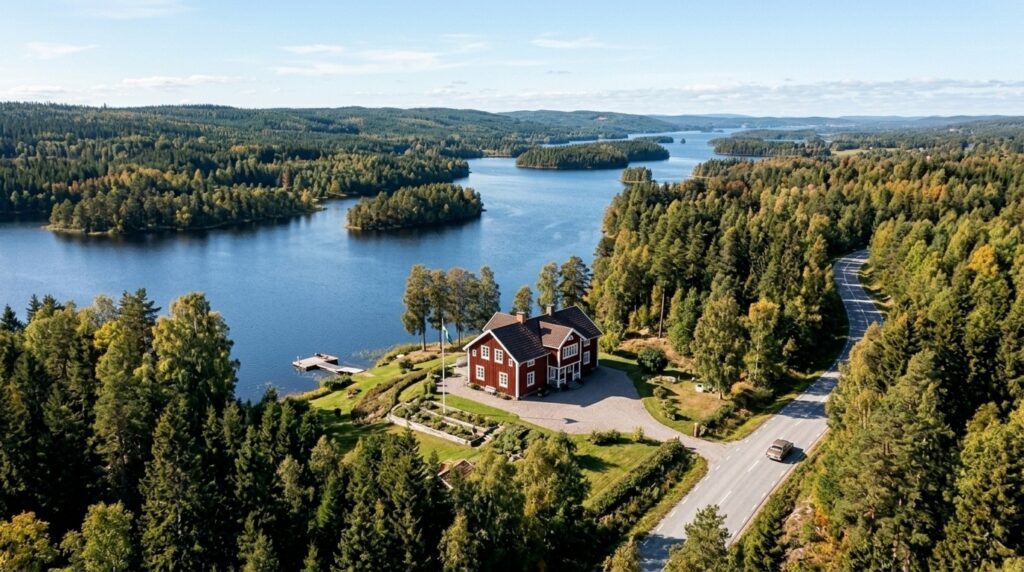
The tradition of the Dala Horse (Dala Häst) is deeply rooted in the Swedish region of Dalarna, often considered the cultural heart of Sweden. Several towns and villages in this region are closely connected to the history, craftsmanship, and continued production of these iconic wooden horses.
Nusnäs – The Centre of Dala Horse Production
The village of Nusnäs, located just outside Mora, is widely regarded as the centre of traditional Dala Horse production.
This is where two of the most well-known workshops continue the craft:
• Grannas A. Olsson Hemslöjd
• Nils Olsson Dalahästar
Visitors to Nusnäs can watch artisans carve and hand-paint Dala Horses using techniques passed down through generations. Seeing the process in person offers a fascinating glimpse into one of Sweden’s most enduring craft traditions.
Mora – The Heart of the Horse Villages
The nearby town of Mora sits at the centre of what are sometimes called the “horse villages.” These include Nusnäs, Risa, and Vattnäs, where the tradition of carving wooden horses is believed to have developed.
Mora remains closely connected to the cultural heritage of Dalarna and plays an important role in preserving local craft traditions.
Avesta – Home of the World’s Largest Dala Horse
The town of Avesta is famous for a very different kind of Dala Horse.
Here stands the world’s largest Dala Horse, a striking landmark measuring approximately 13 metres in height. It sits beside the junction of national roads 68 and 70, making it one of the most photographed roadside attractions in Sweden.
Falun – The Dalarna Museum Collection
In the historic city of Falun, the Dalarna Museum houses the largest collection of Dala Horses in the world.
The museum explores the history of the Dala Horse and its connection to Swedish folk art, rural life, and traditional craftsmanship. It also highlights the role of decorative painting styles such as Kurbits, which helped shape the iconic look of the horses.
Rättvik and Tällberg – Celebrating Swedish Folk Culture
The towns of Rättvik and Tällberg, both located on the shores of Lake Siljan, are well known for celebrating Swedish folk traditions.
Visitors will often see large decorative Dala Horses placed outside shops, restaurants, and hotels, proudly representing the region’s cultural identity.
Leksand – Annual Dala Horse Exhibitions
The town of Leksand also plays a role in preserving the tradition. Each year, exhibitions and displays of Dala Horses can be seen at Klockargården, celebrating both historic and contemporary interpretations of this Swedish folk symbol.